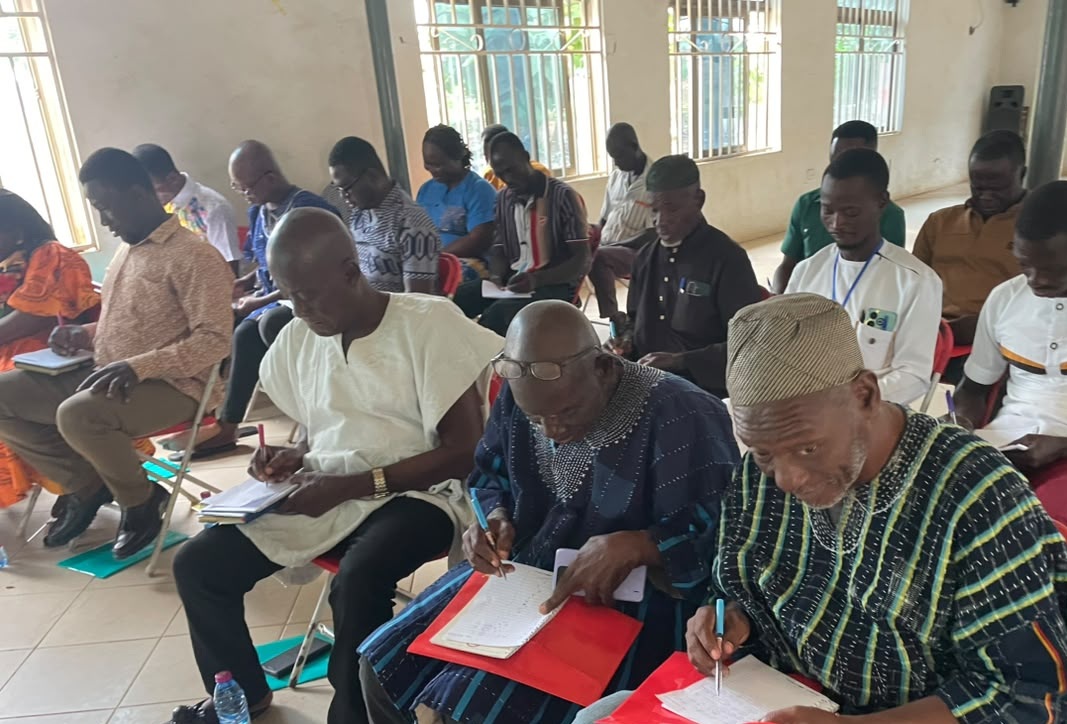

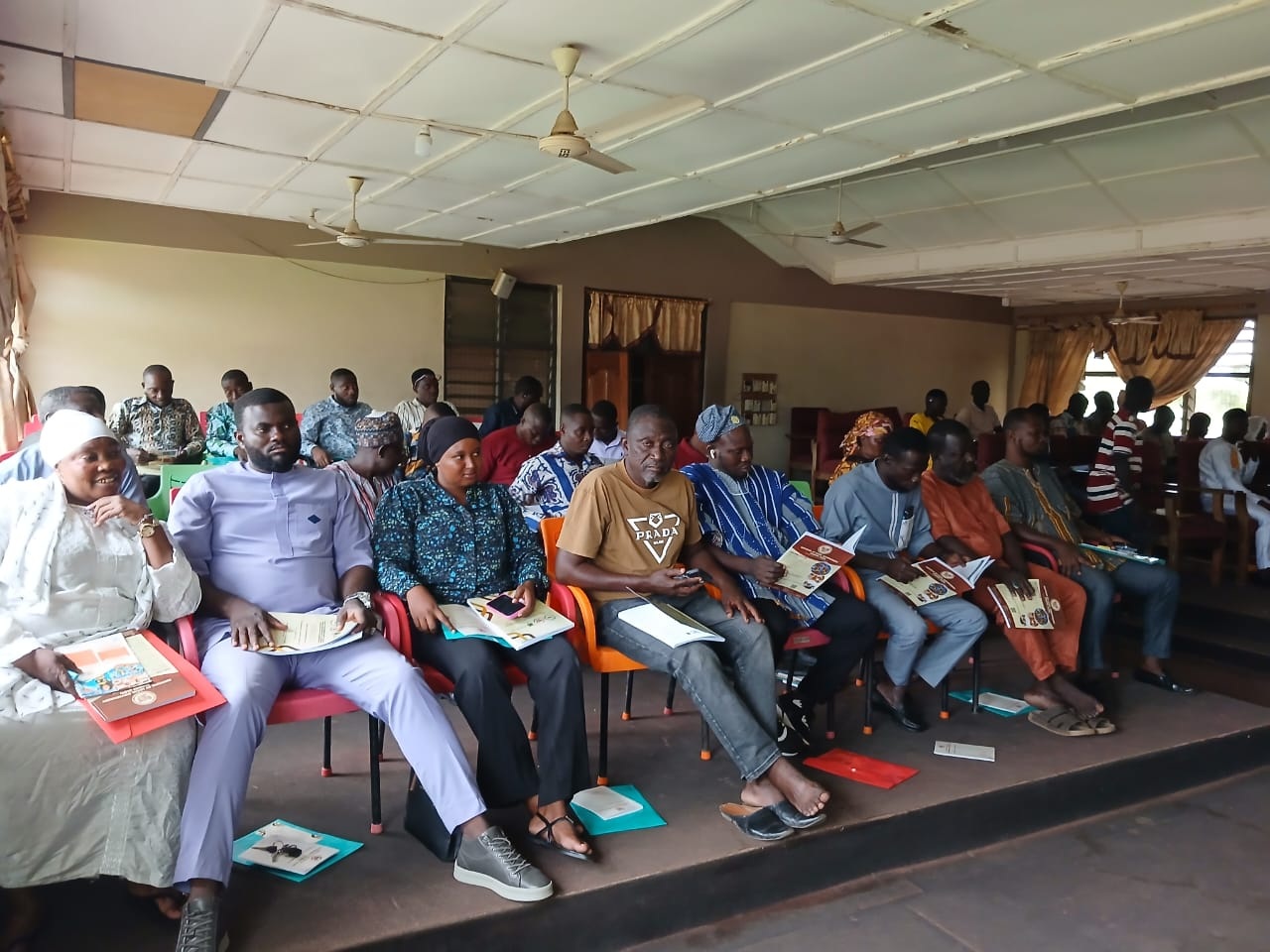
The Next Generation Leadership Training (NGLT) is a follow-up activity to the 2024 nationwide orientation and training programme of Assembly Members and aims at equipping the current cohort of AMs with the requisite competences to identify local challenges confronting their districts, analyse, reflect and propose innovative strategies to address these challenges.
The series of training events is being organised by the Institute of Local Government Studies (ILGS) with the; Ministry of Local Government, Chieftaincy and Religious Affairs (MLGCRA) and the; National Association of Local Authorities of Ghana (NALAG).
The main objectives of the programme are to improve the knowledge of participants in decentralisationand the local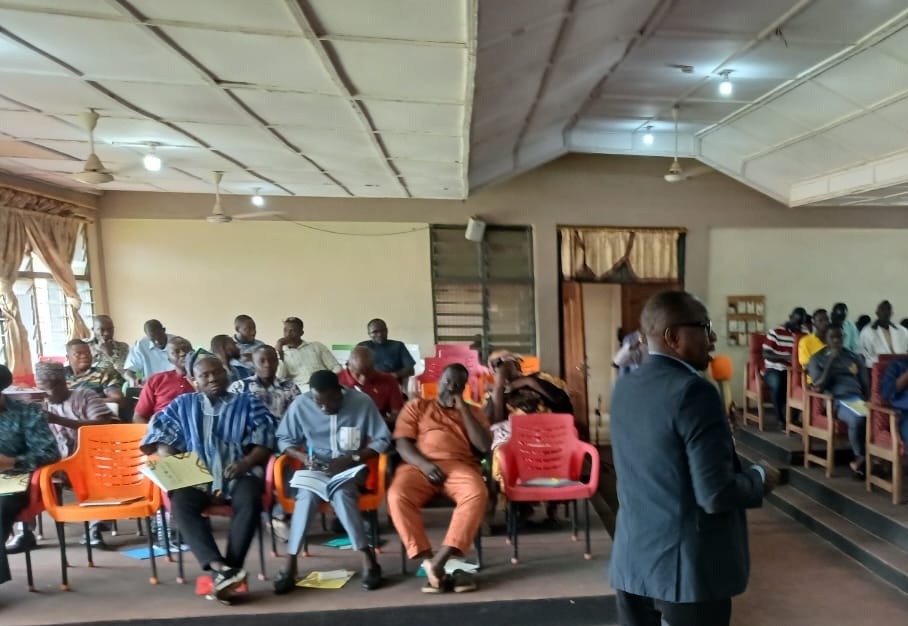 governance framework; build competences in the performance of their deliberative, legislative, representative, executive and oversight responsibilities; enhance skills in community mobilization, engagement and communication; expose participants to the career opportunities in local governance and prepare them for future roles in national political leadership and development; and provide a platform for participants to build networks and mutually share experiences for personal and professional development.
The customised training is being organized for 9,622 participants (including 6,272 elected AMs, 2,813 government appointees of MMDAs, 261 MMDCEs and 276 MPs) at 261 training events/ centres with 22 mobile training teams across the 16 regions of Ghana. It is expected to generate reports including that of 261 MMDA-based Training Reports; 22 Mobile Training Team Reports; and one consolidated national report
COURSE MATERIALS/ RESOURCES
- Handbook for Next Generation Local Governance Leadership and relevant local governance laws
- Binder of programme brief and presentations
- Leadership change-making projects of AMs
This is expected to generate outputs including demonstrable next generation leadership competencies acquired to promote accountability, strategic thinking and inclusive development;
- A better appreciation of the local governance system, duties and obligations of the AMs;
- Informed and competent members of the MMDAs who will be able to make useful inputs towards effective local governance and development at the local level;
- An increased understanding of the legislation, policies and regulations as well as procedures guiding local government practices in Ghana;
- Participants would have acquired hands-on skills and become proactive in articulating the relevant local governance issues including their leadership, communication and community mobilization roles; and
- Good practices, attitudes and lessons would have been agreed upon for effective job performance and career progression